A simple chess opening study plan for online players
Build a small, repeatable opening study plan from your own games, with one repertoire job, active recall, and a weekly feedback loop.
By Chessmate Team · Updated July 25, 2026
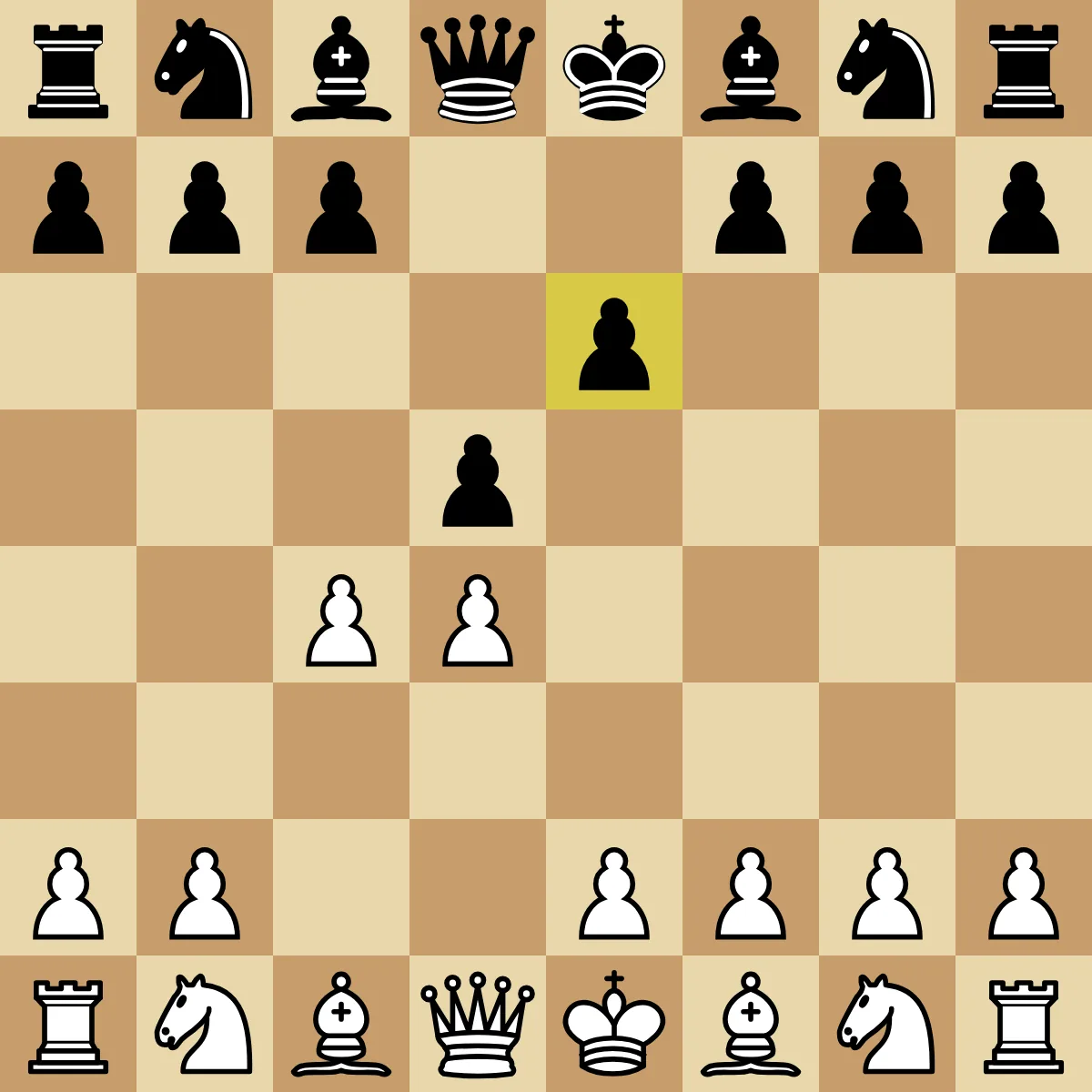
A useful study plan begins with one position you expect to meet again.
An opening study plan should make next week's games easier. If it only helps you collect opening names, save long variations, or watch another hour of video, it is not yet a plan.
The practical unit is a repertoire job: one White setup, one Black answer to 1.e4, or one Black answer to 1.d4. Pick one job, learn the positions that appear most often, and let your own games decide what enters the plan next.
This article lays out a four-week cycle. You can repeat it with the same opening until the early positions feel familiar.
Start with one repertoire job
“Learn the Caro-Kann” is still too broad for a first task. A sharper job would be: “As Black, reach a playable position after 1.e4 c6 2.d4 d5, then recognize White's Advance and Exchange choices.”
For White, the job begins with your first move and must include the opponent's meaningful replies. If you choose the Queen's Gambit, you do not own a repertoire merely because you know 1.d4 d5 2.c4. You need a first answer to the Accepted, the Declined, and whichever other response keeps appearing in your games.
If you have not chosen your starting point, the beginner opening guide compares manageable options. Keep the first scope small enough to explain on one screen.
Write down:
- the side you are training
- the position where your choice begins
- two common opponent replies
- the position you want to reach against each reply
That is enough material for week one.
Week 1: build the map
The first week is for orientation, not mastery. Use the opening catalog, a trusted book, or an opening explorer to see the main branches. Stop once you can answer four questions:
- What is my central idea?
- Which opponent move changes the structure first?
- Where should my pieces usually develop?
- What early mistake must I avoid?
Then choose one short line for each of the two opponent replies. A line is useful when it reaches a stable, recognizable position. It does not need to continue until move 20.
Keep exploration separate from practice. An explorer can show what players choose; a trainer asks whether you can produce your move. Our trainer versus explorer guide explains why those are different jobs.
Week 2: turn the map into decisions
Now remove the answer. Start from the board position after the opponent's move and choose your response before checking the line.
This is the important change from reading to practice. In a classic experiment on educational text, repeated retrieval produced better delayed retention than repeated study, even though restudying made learners feel confident. Chess positions are not prose passages, so the paper does not prove a chess-specific effect. It does support the modest principle behind recall practice: trying to produce an answer is different from seeing it again. See Roediger and Karpicke's study.
For every missed move, add one short reason:
- “Challenge d5 before Black finishes development.”
- “Protect e4 and prepare castling.”
- “Do not chase the pawn before developing.”
The reason should point back to the board. If it could be pasted under any opening move, it is too vague.
Week 3: let your games edit the plan
Play normally. After each game, look only at the opening phase and record the first moment when one of these happened:
- you could not recall the trained move
- the opponent chose a reply you had not prepared
- you remembered the move but not its purpose
- you reached the target position and still had no plan
Choose one item to fix. Do not import every legal alternative.
If an unfamiliar reply is sound and appears again, add a branch. If it was a one-off move that created no problem, a short note may be enough. The guide to playing when an opponent leaves your line gives a board-first check for that moment.
Your game history protects the plan from becoming a database project. It makes the repertoire personal without requiring deep opponent preparation.
Week 4: compress and retest
At the end of the month, replay every trained branch from its first decision point. Remove notes while answering. Mark each branch:
- clear: you found the move and could explain the plan
- fragile: you found the move only after a hint
- missing: you chose another move or had no plan
Spend the next session on fragile and missing branches. Clear branches can return later.
Spacing sessions over time is generally better for long-term recall than packing the same repetitions together, but there is no single perfect interval for every task. A large review by Cepeda and colleagues found that the useful spacing depended on how long the material needed to be retained. Treat a schedule as a feedback system, not a magic sequence of days. The review is available on PubMed.
A weekly schedule you can keep
Three sessions are enough to run the plan:
- Monday, 20 minutes: learn or repair one branch
- Wednesday, 15 minutes: recall trained positions without notes
- Weekend, 20 minutes: inspect recent games and update one branch
On other days, play. The games supply the evidence that decides what deserves study time.
If you have only 15 minutes, keep the weekly priorities and shorten the session. The daily opening routine shows what to do minute by minute.
What progress should look like
Do not measure progress by the number of saved lines. Look for changes you can notice in play:
- familiar positions arrive with less surprise
- you can name the opponent move that changes your plan
- you recover from a forgotten move without panicking
- the same opening mistake stops appearing in your game notes
Chessmate is built around this smaller loop: study a curated line, recall moves from the board, review the positions that need another attempt, and challenge yourself without the answer visible. Disclosure: Chessmate is our product. You can follow the same plan with any combination of a board, notes, games, and a tool that supports active recall.
The best opening study plan is not the one with the most theory. It is the one your next game can correct.
Sources
Master openings.
Learn curated lines, recall the move from the board, and keep useful positions fresh with spaced review.