Fritz alternatives for opening training: recall and practice games
Compare Fritz, ChessBase Openings and other opening tools by the work you need: remembering moves, maintaining lines or playing the resulting position.
By Chessmate Team
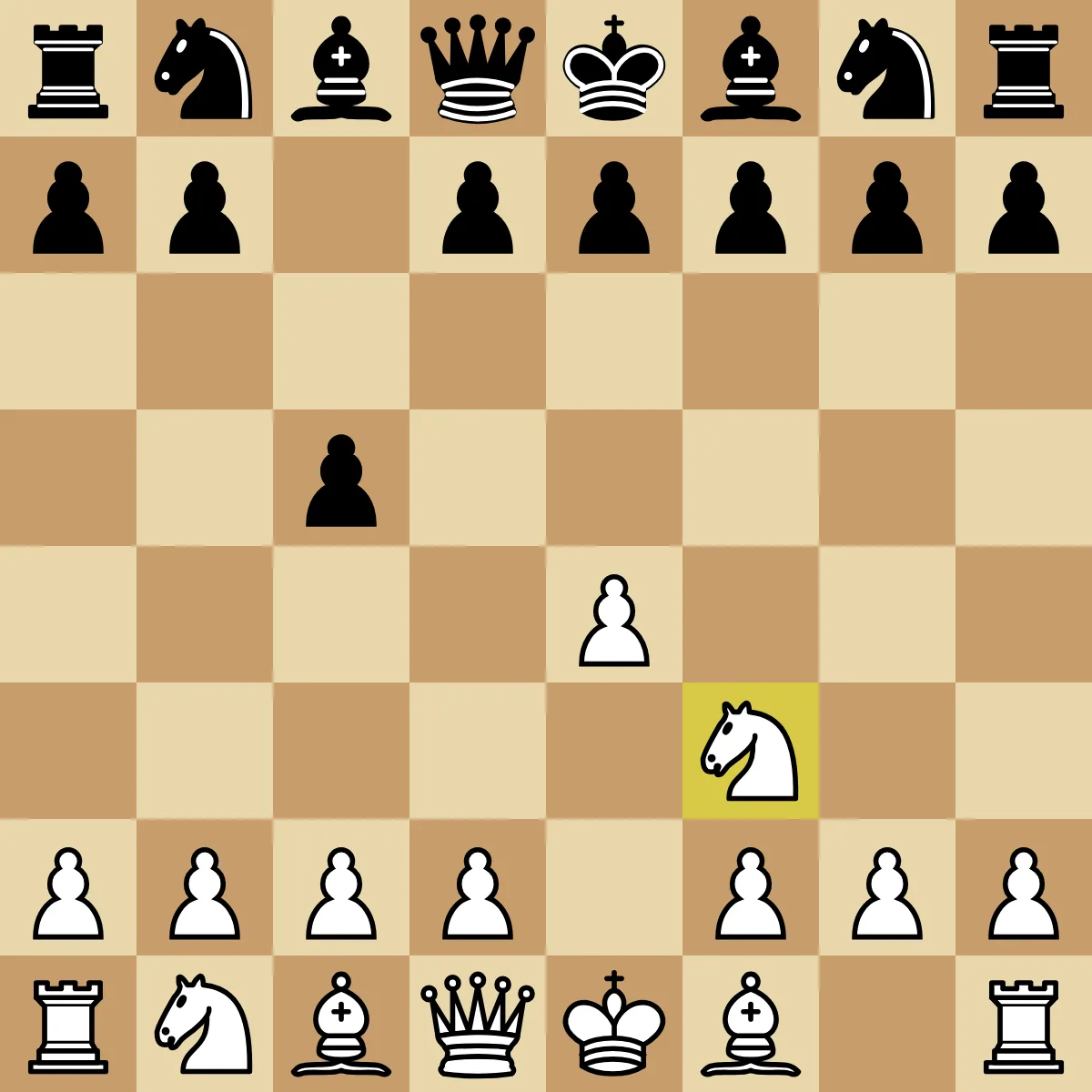
A Sicilian Defense position after White develops the knight to f3
If you use Fritz to rehearse an opening and then play the position, a replacement has two jobs. It must help you remember the prepared moves and give you somewhere to continue when preparation ends. A course trainer may cover the first job without replacing your practice opponent.
We checked official documentation on September 8, 2026. This is a workflow comparison, not a hands-on Windows test or a ranking of engine strength. We make Chessmate, which is included only as an option for learning prepared opening courses.
Separate Fritz from the services in its bundle
The Fritz 21 product page lists a Windows application, adjustable computer playing styles and three months of ChessBase Premium. The package includes access to an Opening Training web app; that does not make the desktop program and the web trainer the same product.
The ChessBase Openings page describes selecting repertoire moves with LiveBook and practicing variations, including repeating lines you missed. If you already own Fritz, check that workflow before paying for a second opening subscription. Confirm your account entitlement after the bundled period ends.
| Your next task | Relevant option | What you still need to decide |
|---|---|---|
| Continue an opening into a practice game | Keep Fritz | Opponent strength/style and the position to rehearse |
| Select moves from LiveBook and repeat them | ChessBase Openings | Which branches belong in your repertoire |
| Maintain your own repertoire and review it | ChessTempo | The source, size and upkeep of your lines |
| Start with explained, prepared opening material | Chessmate courses | Whether the course side and branches match your games |
ChessTempo's opening trainer documents repertoire management and spaced repetition. That makes it a candidate for the saved-line task. It is not evidence that a Fritz book, all annotations and training history transfer intact. Check a small copy before reorganizing your archive.
A completed example of the two jobs
Consider this illustrative Italian Game line, not a result from testing the apps: 1.e4 e5 2.Nf3 Nc6 3.Bc4 Bc5 4.c3 Nf6 5.d3.
At move five, your memory note might say: “White chooses d3, supports e4 and opens the c1 bishop's diagonal.” After that, your practice question changes: “Can I finish development and castle while responding to Black?” Remembering d3 does not answer every later position.
| What happened | What to record | Next action |
|---|---|---|
| You could not recall 5.d3 | Exact position and the missing reason | Revisit that decision in the line |
| You recalled the line but drifted afterward | First later move where you had no plan | Rehearse the resulting position and review that decision |
| The opponent chose a different branch | The first different move | Check whether the branch belongs in your preparation |
This is a diagnostic record, not a scorecard proving one product teaches better. A move outside your course is also not automatically a chess mistake.
Keep the smallest useful combination
Keep Fritz if practice games are the part you already use well. Move only the opening review task if another tool makes that task easier. If you want someone else to select and explain a starting course, browse the Chessmate opening catalog; compare the actual moves and repertoire side before adopting it alongside existing preparation.
For broader choices, use the opening trainer comparison. The trainer versus explorer guide explains the research decision. Neither replaces the need to play and examine the position after your remembered line ends.
Master openings.
Learn curated lines, recall the move from the board, and keep useful positions fresh with spaced review.