Forward Chess alternatives: keep your books and improve opening practice
Compare staying with Forward Chess, adding repertoire review or buying a different course. Check what happens to books, notes and training progress.
By Chessmate Team
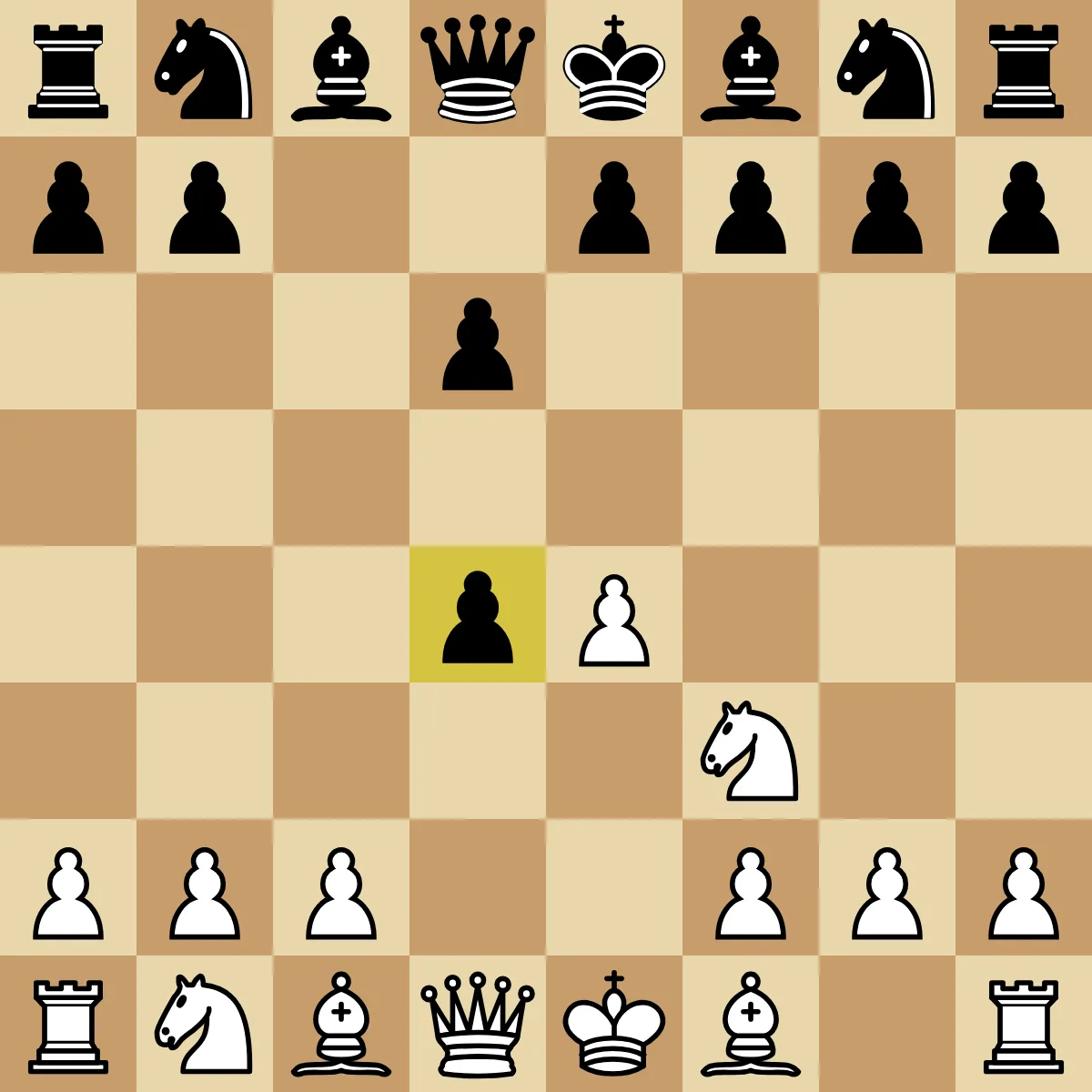
An Open Sicilian position after Black captures the pawn on d4
If you already own opening books in Forward Chess, begin with the material you want to keep. A new trainer may offer a useful routine, but it does not automatically bring your book text, bookmarks, notes or purchase rights with it.
This comparison uses official documentation checked on September 8, 2026. We did not test book migration or complete sessions inside the apps. We make Chessmate, which appears here as a separate prepared-course choice rather than an assumed destination for your books.
Check Forward Chess's own training first
Forward Chess is not limited to reading along. Its iOS listing and release history document Position Trainer and Guess the Move; the latter's updates include checking alternative good moves with an engine. That matters if your reason for leaving is “the book never asks me to choose a move.”
The documentation establishes that those features exist on iOS. It does not prove that every platform has identical behavior or that a particular review schedule fits you. Check the version you use before purchasing a second tool for the same task.
What survives a change of tool?
| What you value | Keep in Forward Chess | Before adding another tool |
|---|---|---|
| Book text and the author's variations | Retain the purchased title as your reference | Check whether the exact edition is available elsewhere; do not assume a purchase transfers |
| Notes and bookmarks | Keep the original library until you have checked your records | Verify an explicit export/import route; none was tested for this guide |
| Positions you want to remember | Investigate the built-in training tools | Decide whether you need your own selected lines or a new prepared course |
| Scores and review history | Record the progress you care about | Treat transfer as unverified unless the destination documents it |
The table is a preservation plan, not a claim that all data can be exported. Keep the source intact while checking any supported copy or export.
Three practical choices
Stay with Forward Chess when the book's explanations are valuable and its own training covers the missing step. Keeping one text and its attached notes can be more useful than starting a second library.
Keep the book and add personal repertoire practice when you have your own selected moves to maintain. ChessTempo documents repertoire building and spaced repetition. It is a candidate for your own practice material; this does not establish permission or a technical route to import a purchased book.
Choose a new authored or prepared course when you want to change the material itself. Chessable documents reviewable courses and assembling material from courses you own. Chessmate's catalog offers prepared opening lines with explanations and recall practice. In either case, compare the actual side and moves. Adopting a new course is different from preserving your old book.
A completed book-to-practice note
Suppose a chapter helps you understand the position after 1.e4 e5 2.Nf3 Nc6 3.Bc4 Bc5 4.c3 Nf6 5.d3. An original note could read: “White used d3 to support e4 and open the c1 bishop's diagonal. My next study question is how to finish development and castle.”
Keep three items: the exact position, your own one-sentence explanation and a reference back to the chapter. Try the book's existing training before building a separate record. The example is our own teaching note, not text copied from a Forward Chess title or a report of app behavior.
That preserves a reason to return to the author while making the learning target small. Do not replace the whole chapter with an unexplained move list or reproduce licensed commentary in another service.
The opening trainer comparison helps choose the practice format. The opening practice guide explains how to revisit a selected line. Keep a useful book until a replacement has demonstrated that it preserves the part you actually value.
Master openings.
Learn curated lines, recall the move from the board, and keep useful positions fresh with spaced review.