Best Chessreps alternatives for opening training
Compare Chessreps alternatives for curated explanations, course marketplaces, custom repertoires, detailed analysis, and free spaced review.
By Chessmate Team
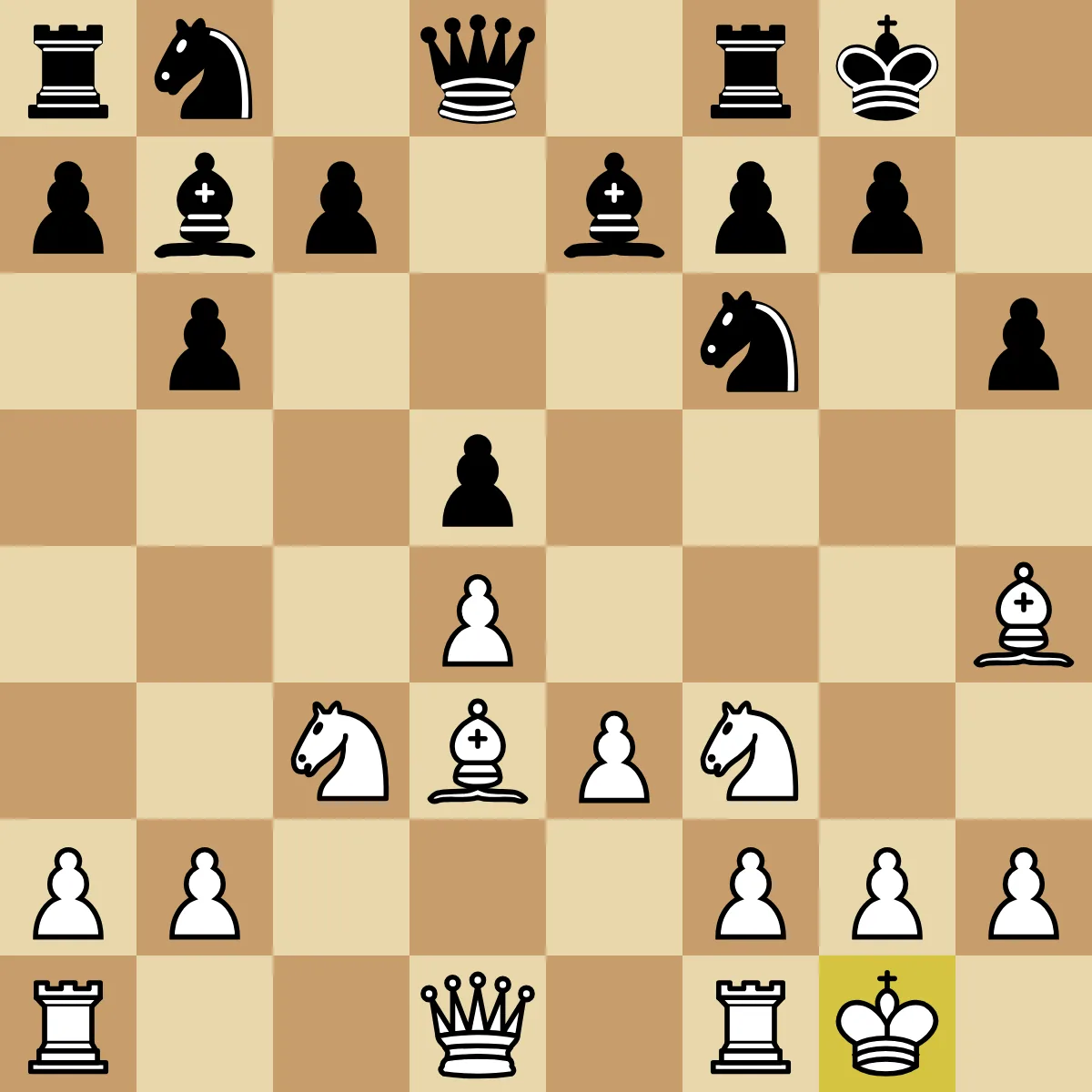
The best drill is the one that matches the opening decisions you need to remember.
Chessreps is built around doing more opening reps. Its current product combines a large course catalog, courses by titled players and community authors, spaced repetition, hints and explanations, a course creator, and modes such as Learn, Practice, Drill, Time Trial, Puzzles, and Arena.
You may want an alternative because the course volume is more than you need, you prefer deeper author-led lessons, you want to own a custom repertoire tree, or you need a free workflow. Each reason points to a different product.
Disclosure: we make Chessmate. Chessmate comes first for players who want a narrower guided opening routine. Chessreps remains a strong fit for course variety and repeated practical drills.
Compare the training styles
| Alternative | Training style | Better fit when | Main compromise |
|---|---|---|---|
| Chessmate | Curated courses with Study, Review, and Challenge | You want fewer lines, board-side explanations, and a clear daily path | No custom repertoire builder or community course catalog |
| Chessable | Author-led marketplace with MoveTrainer and video | You want broad course choice and long-form instruction | Course selection and cost can grow |
| Chessbook | Personal repertoire builder with spaced review | You want to choose every move and track coverage | You must build and maintain the material |
| ChessTempo | Detailed repertoire, explorer, engine, and metrics | You want analysis and advanced controls | More setup and interface complexity |
| Listudy | Free, open-source spaced repetition | You already have repertoire material and mainly need review | Less integrated guidance and commercial polish |
Chessmate for a smaller prepared path
Chessmate teaches curated opening courses for beginner-to-intermediate online players. Study shows the selected course move with a short explanation. Review returns trained positions later. Challenge removes the teaching support and asks you to play the course move from memory.
The catalog is intentionally smaller than Chessreps. That is useful when another list of hundreds of courses would create more choosing than training. You can browse by family in the opening catalog, pick the correct side, and begin with a prepared course boundary.
Chessmate fits if you want:
- explanations attached to the exact board position
- a clear move from learning to recall and later testing
- curated lines instead of community course selection
- opening-only practice without tactics or broad chess training
The overlap ends at board practice and later review. Chessreps offers more course volume, more public drill modes, community material, and a course creator. Chessmate keeps the catalog and daily path smaller.
Chessable for a larger lesson marketplace
Chessable is better when you want to choose an author and study a substantial course. Its platform includes written courses, optional video on many products, MoveTrainer review, and a Repertoire feature that can combine material from courses you own.
Chessable makes sense if the explanation and the author's complete repertoire argument matter more than rapid drills. It also covers tactics, strategy, endgames, and general improvement, while Chessreps and Chessmate put more product attention on opening practice.
Chessable's scope can become a burden. A large paid course may include more lines than you need, and building a personal Chessable repertoire still depends on selecting material. Choose it because you want the teacher and course depth.
Chessbook for your own repertoire
Chessbook changes who chooses the moves. Its official app listing describes a custom repertoire builder with coverage checks, transposition handling, online-game mistake review, master-game information, and spaced repetition.
Chessbook suits a player who already has source material and wants one personal opening book. You can focus on the replies that appear at your level rather than follow a prepared community course.
Chessbook currently lets free users add 400 moves according to its App Store listing, with unlimited moves in Pro. It is less suitable when you want an opening course to tell you what belongs in the repertoire and why.
ChessTempo for detailed analysis and training
ChessTempo combines opening training with a database, explorer statistics, PGN import, engine evaluations, comments, annotations, repertoire trees, and detailed training settings.
Choose it when a drill result should lead directly into analysis. A missed move can be inspected in the explorer, compared with candidate moves, and kept inside a larger personal repertoire workflow.
ChessTempo's depth has a cost in attention. It exposes the settings and data that Chessreps hides behind prepared drills. It suits a player who wants a workstation more than a quick daily course session.
Listudy for a free review loop
Listudy is a free and open-source site for spaced-repetition practice. It can train opening repertoire material in a browser without a commercial course membership.
Listudy works best when the repertoire already exists and you trust its move choices. It covers one recurring action from Chessreps: see a position and recall the repertoire move. Courses, titled authors, community material, and varied game modes remain outside that workflow.
Use it when cost matters more than having one product supply both material and training.
When Chessreps remains the better choice
Chessreps currently advertises more than 500 opening courses, multiple training modes, community courses, a course creator, web and mobile access, and spaced repetition. The plans page lists a seven-day trial and an annual membership of $34.99 as checked on August 2, 2026.
Stay with Chessreps when you like:
- choosing from many prepared opening courses
- drilling common practical lines repeatedly
- moving between slower learning and faster timed modes
- using community material or creating a course
- keeping progress synced across web and mobile
Feature lists will not settle the choice. Compare the daily session and change tools when its pace or decisions keep getting in the way.
Test an alternative with one course
Pick the Chessreps course you train most often and identify its smallest useful unit: one main line and two common opponent branches. Find the same opening and side in the alternative.
Run three short sessions. Check whether the new tool makes these actions easier:
- understand why the move belongs in the position
- play the move before seeing the answer
- return to a missed position later
If the alternative improves one of those jobs without making the other two worse, continue the test. Avoid rebuilding a full repertoire during the trial period.
The 15-minute opening routine provides a neutral way to compare sessions. The opening trainer app guide covers additional products and research tools.
Sources checked
External product details were checked on August 2, 2026:
- Chessreps courses
- Chessreps plans
- Chessable Repertoire announcement
- Chessbook website
- Chessbook App Store listing
- ChessTempo user guide
- Listudy
Course counts, pricing, and access rules change. Recheck the official pages before publication.
Master openings.
Learn curated lines, recall the move from the board, and keep useful positions fresh with spaced review.