Chessly alternatives for opening courses: choose the lesson you need
Compare Chessly alternatives by explanation, practice and review. Use a completed lesson checklist to decide whether to stay, supplement or change courses.
By Chessmate Team
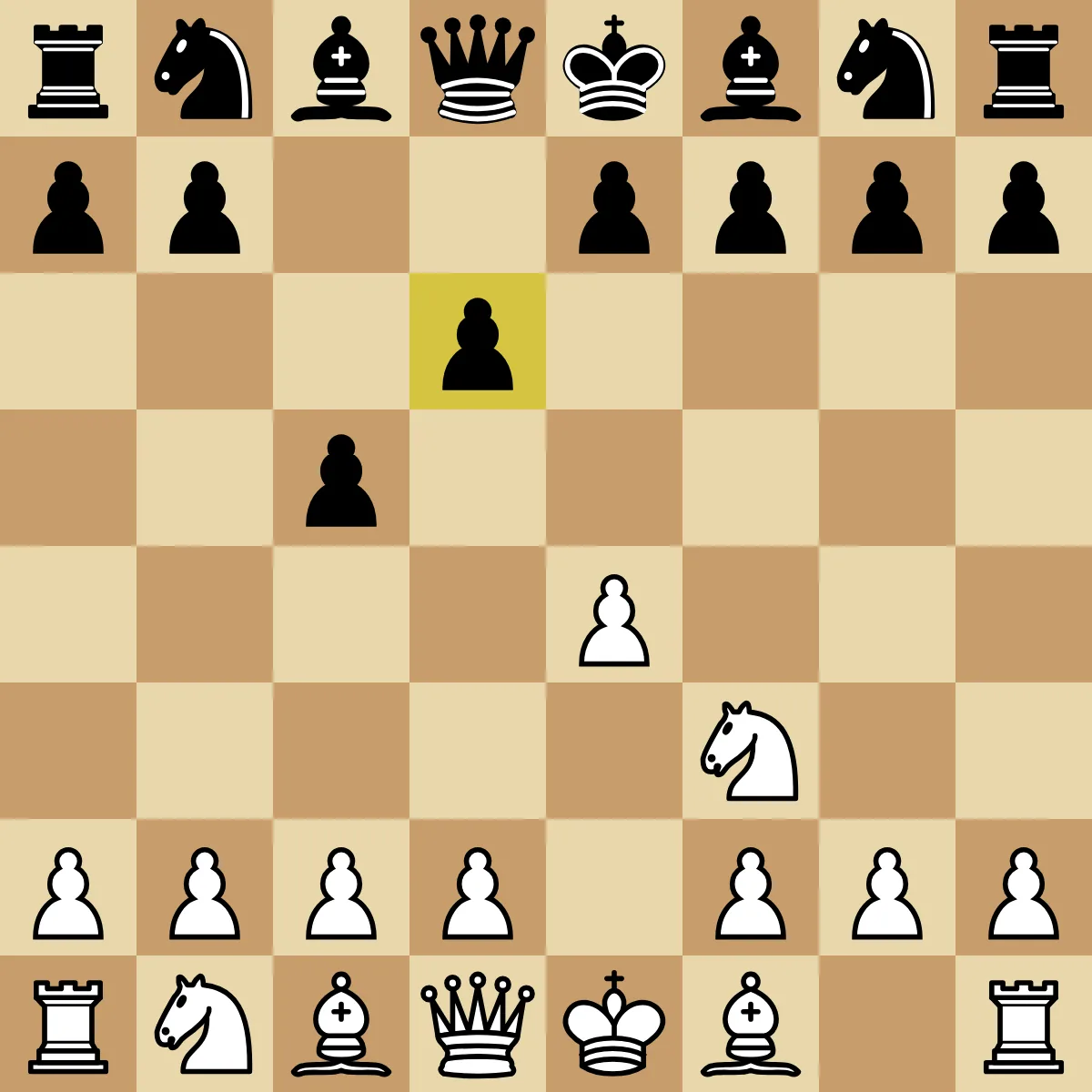
A Sicilian Defense position after Black supports the center with d6
Before replacing Chessly, name what is failing in the lesson. You may understand GothamChess's explanation but forget the move, struggle with the explanation itself, or discover that the course teaches a repertoire you do not want to play. Those problems lead to different alternatives.
This guide uses official pages checked on September 8, 2026. We did not complete paid lessons or measure next-day retention in competing apps. We make Chessmate; its prepared opening courses are one possible learning format, not the default winner.
Keep the teacher if the teaching works
Chessly presents GothamChess-led courses and a membership spanning openings and other skills. Its public marketing also describes XP and achievements. Those features explain the presentation, but they do not establish how a particular lesson handles your wrong move or schedules your next attempt.
Do not assume that switching away from video is the answer. If the explanation helped, first check the practice and review available in your existing course. If it did not, a different author or a different level may matter more than the trainer interface.
| Problem in your current lesson | First choice to investigate | What would justify changing |
|---|---|---|
| The explanation works; you have not revisited it | Keep Chessly and use the relevant practice | A specific review task remains awkward or unavailable to you |
| You need a different explanation or repertoire | A named Chessable course | Its sample explains your difficult decision and covers your side |
| You want one connected White/Black program | ChessMood's opening paths | The course sequence fits your existing choices |
| You want shorter prepared opening sessions | Chessmate's course catalog | The actual course teaches the branch you need |
Chessable's Repertoire documentation describes collecting chapters or variations from owned courses and editing a separate course. ChessMood's catalog organizes opening paths and model-game courses. These are different ways to organize material, not proof that either explains every position better.
What a useful lesson should leave behind
Here is a completed teaching example, not an extract from a paid course. After 1.e4 e5 2.Nf3 Nc6 3.Bc4 Bc5 4.c3 Nf6, suppose your chosen line continues 5.d3.
| Lesson note | Completed example |
|---|---|
| Board cue | Black's knight on f6 attacks e4 |
| Chosen move | 5.d3 |
| Reason | Supports e4 and opens the c1 bishop's diagonal |
| What to recall later | Find the move from the position before revealing the note |
| Question after a miss | Did I forget the support of e4, or only the notation? |
This separates a lesson you enjoyed from a decision you can explain. It also avoids treating every alternative move as wrong: the note records a chosen course line, not a claim that d3 is forced.
When viewing a sample, look for these same pieces: a visible position, an explanation tied to that position, an attempt before the answer, and a useful response to a miss. A completion badge alone cannot tell you which piece is missing.
Change one lesson before changing your whole routine
For an existing Chessly learner, the least disruptive choice is to keep the instruction that works and address the specific gap. A new course should earn its place by teaching an opening decision you actually need. Check language, device access and membership terms on the current product page; this document review did not establish parity across every platform.
The opening trainer comparison covers the wider market. Our opening practice guide turns a selected lesson into a small repeatable routine. Browse prepared opening courses only if changing the course material is part of your decision.
Master openings.
Learn curated lines, recall the move from the board, and keep useful positions fresh with spaced review.