OpeningTrainer alternatives: compare what happens after a mistake
Choose an OpeningTrainer alternative by correction, explanations, and later review, using a concrete opening-position checklist.
By Chessmate Team
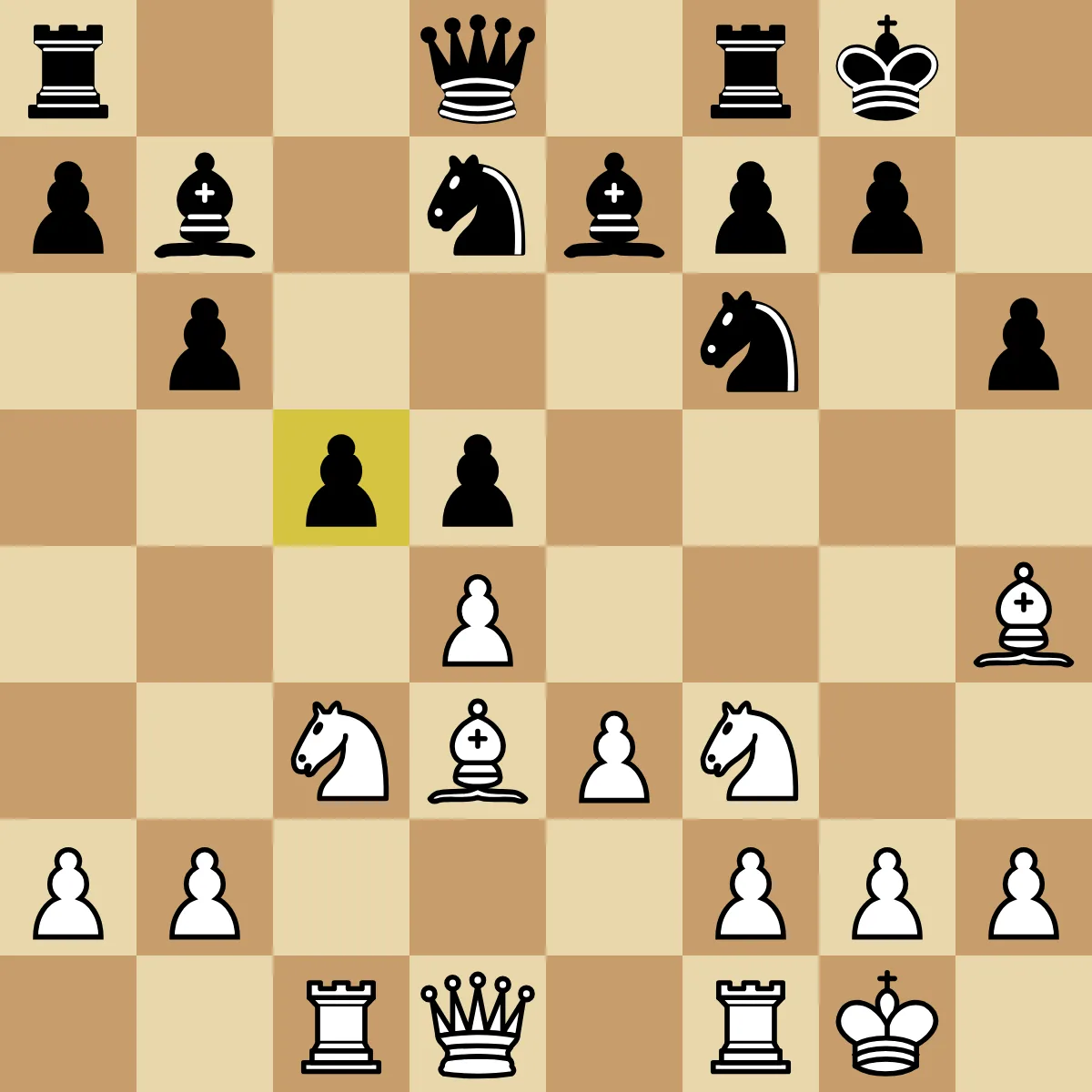
Realistic replies make a useful drill, but they do not choose or explain your repertoire.
If OpeningTrainer keeps exposing the same weak position, choose an alternative by what you need after the mistake. Seeing a common reply again is useful practice, but you may also need to save an explanation, repair your repertoire, or return to a particular position deliberately.
OpeningTrainer describes replies sampled from Lichess statistics and a no-signup start. Those are product descriptions, not our test results. We checked official documentation on September 8, 2026; the comparison below is a decision worksheet. Disclosure: we make Chessmate.
Separate a different choice from a blunder
Use the position after 1.e4 e5 2.Nf3 Nc6 as a small example. Suppose your White repertoire selects 3.Bc4.
| Attempt | What the feedback needs to clarify |
|---|---|
3.Bc4 | This matches the chosen line; the bishop points toward f7 |
3.Bb5 | This is a legal different opening choice, not automatically a mistake |
3.Nxe5 Nxe5 | Black can capture the knight; this is not merely a different repertoire move |
These legal sequences illustrate different feedback needs. They are not claims about how OpeningTrainer scores them. A product might judge chess quality, adherence to an imported line, or both. Find out which before interpreting its rating.
Compare the correction you need
| Need after the attempt | Route to consider | A check that matters |
|---|---|---|
| Change your own saved answer and note | ChessTempo | Can you find, edit, and retrain that branch? |
| Repeat an existing study | Listudy | Is the intended answer clear before review begins? |
| Learn supplied material with explanations | Chessmate | Does the course teach the side and continuation you want? |
| Continue practicing varied opponent replies | Keep OpeningTrainer | Can you also record and investigate recurring trouble? |
The ChessTempo manual describes repertoire editing and training. Listudy's guide describes study-based practice. A Chessmate course offers a prepared learning choice; it does not establish that another app's ratings or progress can transfer.
Use a correction record
Write one row after an attempt: position, played move, intended move, reason, and how to revisit it. For the example, a completed educational row could read: “After 2...Nc6; played Bb5; my course chooses Bc4; bishop toward f7; revisit this branch before the next session.” This is a sample record, not a measured session.
In a candidate app, check answer display, access to the explanation, saving the correction, immediate retry, and finding the position later. Record unavailable and untested separately. Start from the same position only where the product supports it; a fixed course outside that scope is not a failed test.
A handful of sessions can show whether the routine is usable. It cannot prove better long-term memory or a rating gain. Choose the product whose correction process you can repeat, and use the trainer versus explorer guide when the move still needs research before training.
Master openings.
Learn curated lines, recall the move from the board, and keep useful positions fresh with spaced review.