Listudy alternatives: check the study before changing trainers
Find whether your Listudy problem is the repertoire, the prompt, or the review routine, with an example audit and free-option checks.
By Chessmate Team
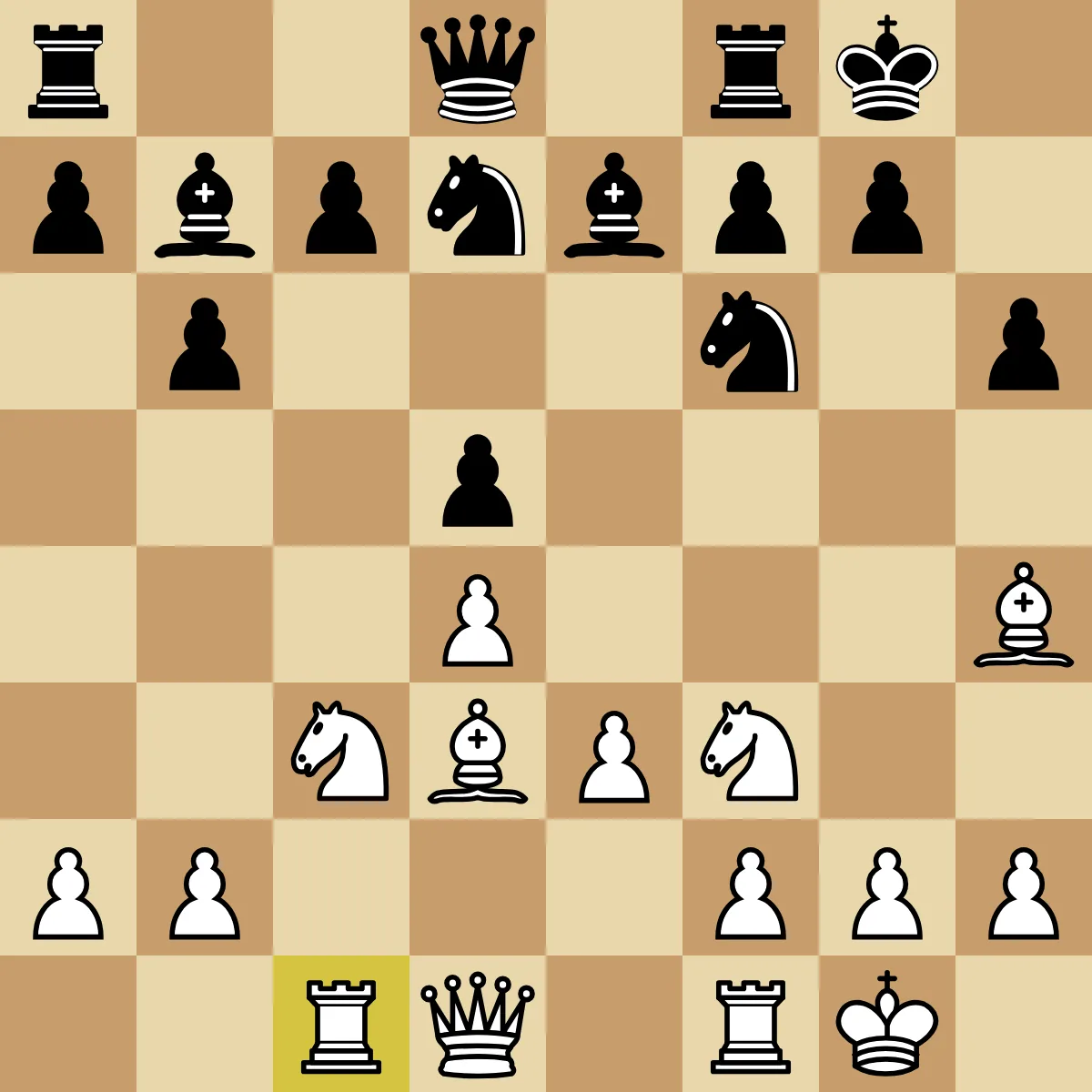
A free review tool works best when you already trust the repertoire behind each prompt.
A Listudy alternative should solve a specific problem with the study you use. A missing explanation, an answer visible too early, and a difficult route back to practice need different fixes. Paying for another app does not distinguish them for you.
We checked the official pages below on September 8, 2026. The audit is an original teaching example, not a report of testing Listudy accounts. Disclosure: we make Chessmate.
Start with ten positions
Take ten positions from your own study. For each, note the side to move, intended answer, explanation, and what interrupted the attempt. Ten is a manageable starting sample, not a scientific threshold.
| What you find | What to change first |
|---|---|
| You do not understand the chosen move | Improve the note or consult the source lesson |
| Two repertoire choices are mixed together | Separate the intended answer from an acceptable alternative |
| An arrow gives away the answer | Inspect hint settings before judging recall |
| The chapter exceeds your current needs | Shorten the study scope |
| Progress is hard to retrieve | Check account, browser, and save behavior |
For example, after 1.e4 e5 2.Nf3 Nc6, a note that merely says “develop” does not distinguish 3.Bc4 from 3.Bb5. Both are legal. A more useful note for a study selecting Bc4 is: “Develop the bishop toward f7. This study follows Bc4; Bb5 begins a different opening choice.” The explanation clarifies the assignment without calling the other move a blunder.
That is a material repair you can make before switching. If the same ambiguity appears throughout the ten positions, moving the unchanged file will carry the problem with it.
Compare the cost of the task you need
| Option | Documented starting point | What still needs checking |
|---|---|---|
| Keep Listudy | Free, open-source opening practice | Your study's quality and current save behavior |
| ChessTempo | Free opening trainer with registration | Current limits and the settings required for your repertoire |
| A prepared Chessmate course | Supplied lines, explanations, and recall practice | Course fit and current access conditions |
Listudy's learning guide describes PGN and Lichess study import, comments, and repeated practice. Its homepage confirms the free/open-source model. The ChessTempo opening page states that its trainer is free with registration. Free software, free hosted access, a trial, and a paid course are different offers; do not assume their limits match.
Keep control of the source
Save your original PGN and notes before changing the study. Check whether the destination preserves comments, the intended training side, and each branch. Verify progress separately rather than assuming that a study file carries its review schedule. Use your own material or material you are allowed to share; the Listudy copyright policy distinguishes public access from permission to republish.
Choose a prepared course when selecting and explaining the material is the task you want help with. Keep Listudy when the material is sound and its routine works for you. Our spaced repetition guide explains what changing the schedule can and cannot solve.
Master openings.
Learn curated lines, recall the move from the board, and keep useful positions fresh with spaced review.